Hey book lovers!
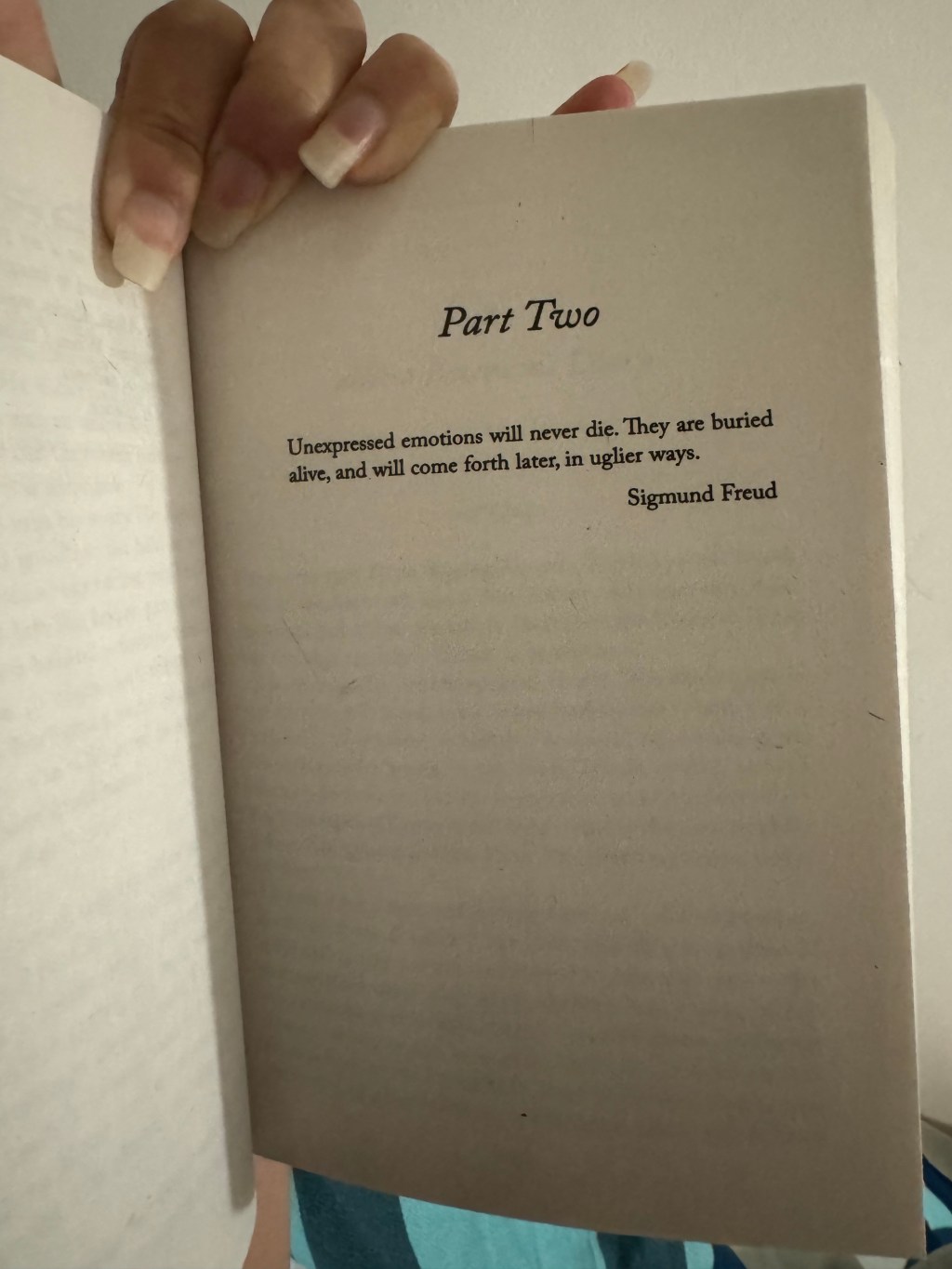
I’m currently immersed in The Silent Patient by Alex Michaelides, and I have to share my thoughts on this thrilling journey so far. This quote by Sigmund Freud is featured in the book and has resonated deeply with me:
“Unexpected emotions will never die. They are buried alive, and will come forth later, in uglier ways.”
Initial Impressions: From the moment I started reading, I was hooked. Michaelides crafts a gripping narrative that intertwines psychological depth with an intriguing mystery. The story centers around Alicia Berenson, a celebrated painter who shoots her husband and then stops speaking entirely. Her silence and the brutal act make her a figure of public fascination and speculation.
Sigmund Freud’s quote touches on a profound truth about human psychology: the repercussions of repressing our emotions. In real life, many of us are taught, either directly or indirectly, to suppress our negative feelings. Whether it’s due to societal expectations, personal fears, or a desire to maintain harmony, we often push our anger, sadness, and fear deep within ourselves.
However, just as Freud suggests, these emotions don’t simply disappear. When we bury our feelings instead of addressing them, they linger beneath the surface, festering and growing more potent over time. This repression can lead to various psychological issues, such as anxiety, depression, and unexpected emotional outbursts. These buried emotions can manifest in unhealthy ways, like sudden anger, irrational fears, or even physical symptoms such as headaches and fatigue.
In our relationships, repressed emotions can create distance and misunderstandings. Unresolved feelings can lead to resentment, passive-aggressive behavior, or explosive arguments, damaging the very connections we aim to protect by not expressing our true emotions.
Freud’s insight reminds us of the importance of emotional honesty and self-awareness. Acknowledging and addressing our feelings, whether through self-reflection, open communication, or seeking therapy, allows us to process and release these emotions healthily. By doing so, we prevent them from emerging later in more destructive forms.
In essence, embracing Freud’s wisdom means recognizing that facing our emotions head-on, no matter how uncomfortable, is crucial for our mental and emotional well-being. It encourages us to live more authentically and maintain healthier, more genuine relationships with ourselves and others.
Personal Reflections: This quote, and indeed the book, reminds me of the importance of addressing our emotions and traumas. It’s a powerful reminder that burying our feelings can lead to even more significant issues down the line. Reading The Silent Patient is not just about solving a mystery; it’s also about understanding the human condition and the consequences of neglecting our inner lives.
Current Thoughts: I’m only partway through, but I can’t put this book down. The suspense, the psychological insights, and the intricate character development make it a compelling read. I can’t wait to see how the story unfolds and what revelations are in store.
Final Thoughts: If you’re looking for a book that’s not only thrilling but also offers deep psychological insights, The Silent Patient should be on your reading list. It’s a masterful blend of suspense and introspection, making it a standout in the psychological thriller genre.

 Boundlessbooktalk.com